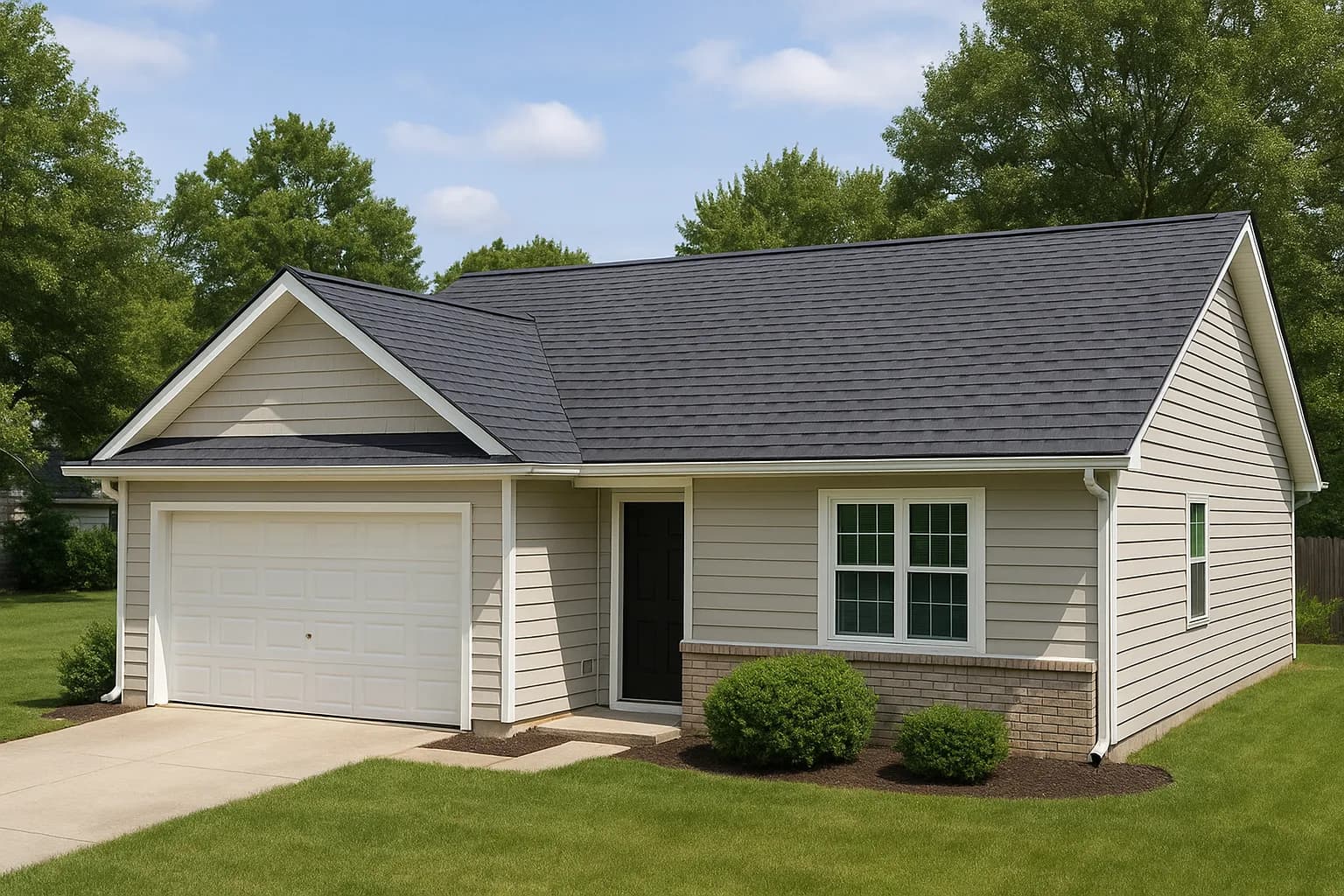
Roof pricing looks straightforward until you see three bids that are thousands of dollars apart for what sounds like the same job. That happens because roof quotes are shaped by more than shingles. Tear-off layers, decking repairs, flashing, pitch, penetrations, waste factor, warranty level, and ventilation all matter.
As a broad planning range, many asphalt roof replacements land around $6,000 to $15,000, while larger homes, steeper roofs, premium shingles, metal, tile, or more complicated flashing packages can push the total much higher. In roofing, labor access and material choice both matter, but hidden repair conditions matter too.
A good roof quote should tell you what system is being installed, not just what the top layer costs. That is the difference between buying a roof and buying a shingle delivery.
Planning table
Typical cost ranges at a glance
| Scope level | Typical range | What that usually includes |
|---|---|---|
| Basic asphalt replacement | $6,000 to $12,000 | Straightforward roof geometry, standard tear-off, common shingle systems. |
| Larger or steeper roof | $12,000 to $20,000 | More squares, harder access, upgraded shingles, more flashing detail. |
| Premium material or complex roof | $20,000+ | Metal, tile, specialty systems, heavy repair scope, or high-complexity rooflines. |
What moves the number
The biggest cost drivers to pressure-test in quotes
| Cost driver | Impact | Why it matters |
|---|---|---|
| Roof geometry and access | High | Steep pitches, complex rooflines, and harder property access change labor and safety setup fast. |
| System details | High | Underlayment, flashing, ventilation, and tear-off scope matter almost as much as shingle choice. |
| Repair contingencies | Medium | Decking damage and flashing repairs often appear only after tear-off begins. |
Turn this into your real project
Upload a photo and get a tighter range for your actual space.
These guides are here to orient you. Naili gets more useful when it can see your actual room, yard, roofline, or project area and turn that into a clearer brief before contractor quotes start.
Roof size is only the starting point
Roofers measure the roof, not just the house footprint. Pitch and geometry increase actual roof area, and a complicated roof creates more waste, more cuts, and more flashing work. That means two houses with similar square footage can still produce very different roofing quotes.
One reason homeowners get confused is that “price per square” sounds authoritative. It is useful, but only after scope is controlled. A lower per-square number on a stripped-down scope can still be a worse value than a fuller quote that includes better ventilation, more flashing replacement, or realistic decking assumptions.
If you want clean comparisons, ask each roofer to confirm the measured squares, tear-off layers, waste assumptions, and the major flashing zones included in the price.
Material choice changes lifespan and budget
Architectural asphalt shingles dominate many replacement projects because they offer a reasonable middle ground between cost and durability. Standard asphalt can be cheaper. Metal, tile, slate, and specialty systems can be significantly more expensive but may bring longer service life or a different visual outcome.
The key is not to compare materials by upfront price alone. A cheaper roof that solves the immediate problem may be the right call if you are managing a tight budget or planning to sell. A longer-life system can make sense if you expect to stay put and the rest of the home supports the investment.
The contractor should also explain underlayment, ice and water protection, ridge ventilation, starter, hip and ridge materials, and warranty level. Those details matter because the roof system is more than the field shingle.
Where roof projects go sideways on cost
Decking repair is the biggest hidden variable. Roofers usually cannot know exactly how much rotten or damaged decking exists until tear-off is underway. A serious estimate will tell you how decking repair is handled, whether there is an allowance, and what unit pricing applies if damaged sheathing appears.
Flashing details around chimneys, skylights, walls, valleys, and penetrations can also move the number. Some bids include extensive replacement and detail work. Others quietly assume reuse. Those are not the same job, even if the headline price makes them look close.
Disposal and permits matter too. The cheapest quote sometimes becomes less attractive once you notice that dumpster cost, permit handling, or upgraded vent work is missing or vague.
The value of a better roofing brief
Homeowners usually know they need a roof, but not what a roofer needs to verify before writing a reliable quote. That gap creates room for sales pressure. A cleaner brief, even a planning-grade one, helps you ask sharper questions about system choice, tear-off layers, ventilation, flashing, and decking contingencies.
Get a custom estimate for your specific space, upload a photo and we will build the brief. Naili cannot replace a roofer walk-through, but it can help you organize the visible conditions, likely scope, and quote questions before you start taking bids.
That matters because roofing is one of the easiest categories for homeowners to feel rushed in. Weather urgency is real. Sales urgency is also real. Those are not always the same thing.
How to read roof estimates more carefully
A useful roof estimate should state the material system, tear-off scope, underlayment approach, ventilation plan, flashing assumptions, permit handling, cleanup expectations, and warranty structure. If those details are vague, ask for them in writing before you compare prices.
Also ask who is actually doing the work, how property protection is handled, and what happens if damaged decking is found. A contractor who answers those questions clearly is usually much easier to work with than one who keeps everything at the level of broad reassurance.
The roof is not just a finish upgrade. It is a weather system. Treating it that way tends to produce better decisions.
Frequently asked questions
Common follow-up questions
Can I compare roofs just by shingle brand?
No. Brand matters, but so do underlayment, flashing, ventilation, tear-off scope, and how repair contingencies are handled.
Why do roofing quotes often change after tear-off?
Because damaged decking and some flashing issues cannot be confirmed fully until the old roof is removed.
Is metal roofing always better than asphalt?
Not automatically. It may last longer, but the right choice depends on budget, home style, expected hold period, and installer quality.
Should I replace gutters with the roof?
Sometimes. It depends on gutter condition, fascia details, and whether the gutter system would benefit from being coordinated with the new roof work.